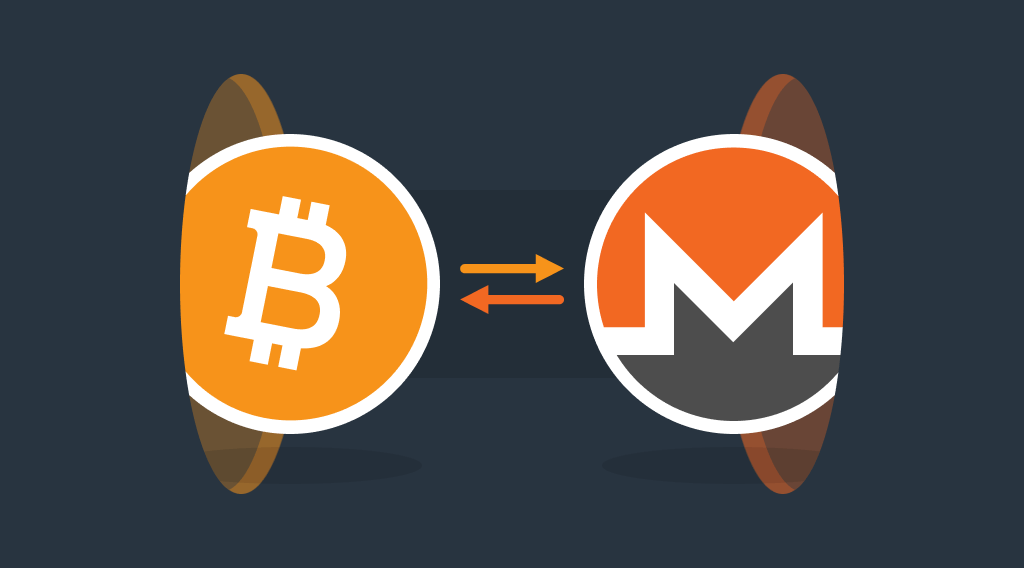
Why Monero Exists — The Problem with Transparent Blockchains
Bitcoin revolutionized digital payments by removing the need for trusted intermediaries. However, Bitcoin's design includes a critical privacy limitation: every transaction is permanently recorded on a public blockchain that anyone can inspect. Every Bitcoin address, every payment amount, and every connection between sender and receiver is visible to the entire world. Chain analysis firms like Chainalysis, Elliptic, and CipherTrace have built multi-billion-dollar businesses around tracing Bitcoin flows, linking addresses to real identities, and providing surveillance tools to law enforcement agencies and financial institutions.
Bitcoin's transparency lets analysts follow transactions between addresses. An exchange that verifies a customer's identity may also hold records linking that customer to deposits or withdrawals. Address reuse and public payment details add more clues. Analysis is not automatic proof that one person controls every connected address, but the visible trail gives investigators information that Monero is designed to conceal.
Monero was created in April 2014 — forked from the Bytecoin codebase — specifically to solve this problem. Its core design principle is that privacy should be the default, not an optional feature. Every normal transaction uses the network's privacy mechanisms by default. That avoids a small visible class of users who opted into privacy, but it does not make the anonymity set “the entire network.” Sender ambiguity comes from the 16-member ring used for each input.